Commercial Waste in Brompton
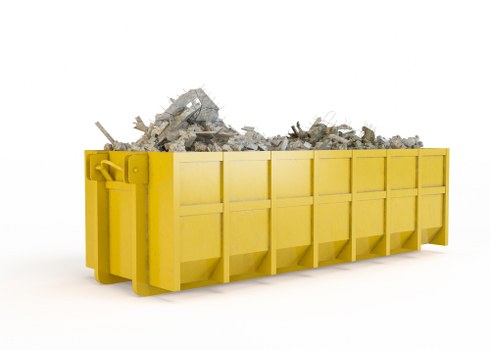
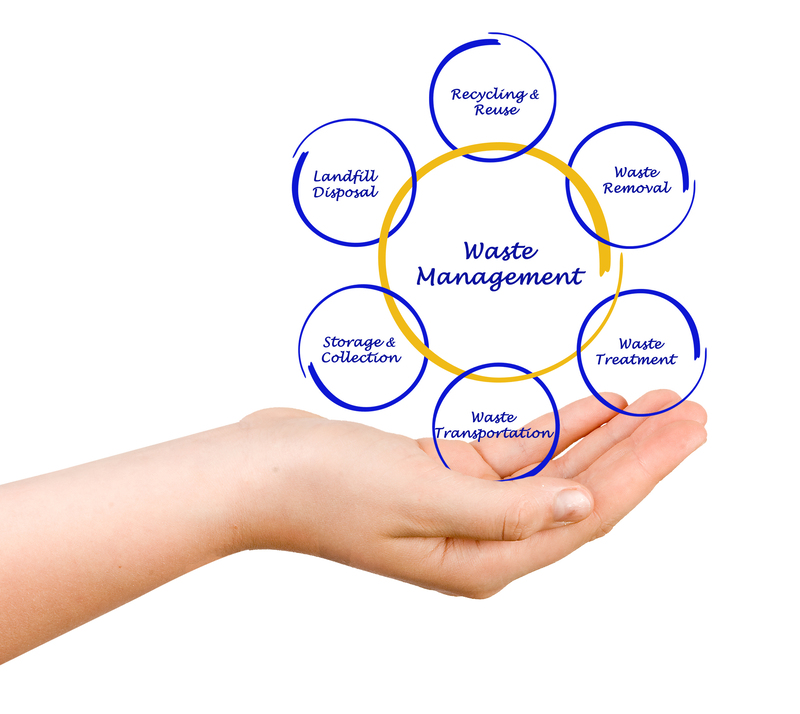
Commercial waste in Brompton needs a service that is tidy, practical and suited to the way local organisations actually work. We handle the collection and removal of business waste for premises that want a straightforward route from full bins, stored materials or bulky discarded items to a cleaner working environment. The service is built around sensible sorting, responsible handling and clear communication, so you can keep on top of waste without turning it into a disruption.
Our work covers a broad mix of business waste removal tasks, from routine clearances through to one-off collections where items have built up. We also support organisations that need to move unwanted office contents, obsolete stock, damaged furniture or mixed commercial rubbish in a controlled way. Where items can be separated for recovery, we plan for that first, because good waste management is not only about getting rid of material, but doing so in a way that suits the type of load.
If you need to talk through a collection, start with the type of waste and the access you have. That makes it easier to match the right service to the right job. You can also review pricing and quotes if you want a clearer idea of the factors that shape a quotation before sending details.
Business waste removal that fits your premises

Commercial premises generate different waste streams depending on the work they do, and a good removal service has to be flexible enough to handle that variety. We work with general business waste that has been gathered from storage areas, back rooms, workspaces and service zones, as well as itemised loads that need a more careful approach. That can include packaged materials, mixed office waste, broken fixtures, redundant equipment and the type of clutter that interferes with day-to-day use of a room.
For many customers, the main decision is whether the load is better treated as a single mixed collection or as a more sorted clear-out. In practice, that depends on volume, how the items are stored, and whether reusable or recyclable material can be separated efficiently. If you are arranging removal for a shop, studio or workplace, it helps to think in terms of access, lift usage, stairs, loading points and any timing constraints around staff or customers. Those details shape the way the collection is planned.
Useful ways to prepare a commercial collection
Before a quotation, a short written summary is often enough. A few photos can help, but they are not the only starting point; an item count, approximate volume or room-by-room note may be just as useful. It also helps to mention whether waste is loose, bagged, boxed or stacked, because that affects handling time and the method of removal. If there are any items that must stay on site, it is better to identify them clearly rather than leave them mixed in with everything else.
Office clearance and workplace item removal
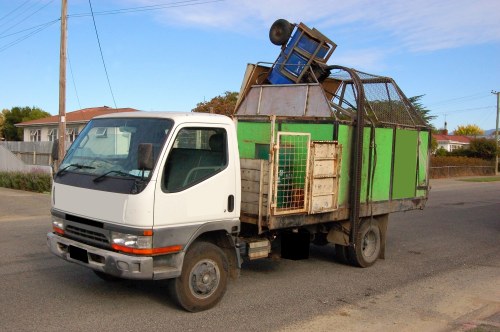
Office clearance usually calls for more than a simple bulk lift. Desks, chairs, filing units, cabinets, shelving and mixed paperwork-related contents may need to be removed in a way that keeps the workplace organised until the last stage of the job. We support office clearances for small suites and larger premises, with the aim of taking away the unwanted material without creating unnecessary disturbance around the rest of the operation.
Where office waste includes a mixture of furniture and general rubbish, the best approach is often to separate the items that are being discarded from anything that may be reused, relocated or retained. That makes the process more efficient and avoids confusion at the point of collection. We can also deal with broken or outdated office contents that no longer serve a purpose, so the space can be returned to productive use more quickly.
When you are planning this kind of clearance, think about whether the job is a single room, a suite of rooms or a wider workplace move. It is also useful to flag any access constraints such as narrow corridors, lower floors or shared entrances. If you would like to compare options before committing, business waste removal is a good place to start, because it covers the wider range of commercial collections that can support an office project.
Furniture disposal for business settings
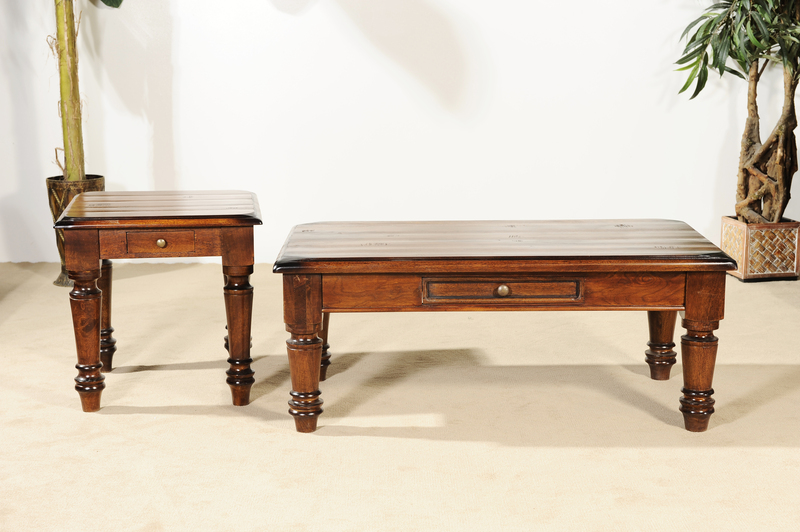
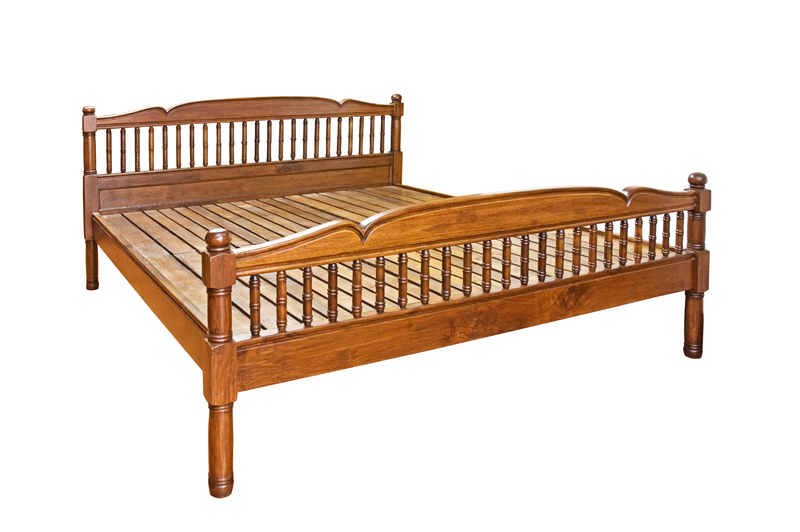
Commercial furniture disposal is often about more than getting rid of individual items. Businesses may need to clear a few large pieces, empty a room for refurbishment or remove a whole batch of fittings that have reached the end of their use. We deal with furniture that is no longer required, including tables, chairs, storage units and work surfaces, always with an eye on safe handling and appropriate disposal routes.
Heavy or awkward furniture is often the part that needs the most care. Items may need to be moved through shared entrances, down stairs or from areas where customers or staff still need access. Planning the order of removal is important, especially when bulky pieces have to be broken down or shifted in stages. In some cases, a collection is best done after smaller items have been cleared first, so the larger pieces can be brought out more easily.
For businesses that are refreshing their layout, it is useful to distinguish between furniture that is definitely for disposal and pieces that may be held back for reuse. A furniture clearance service can be a practical option when several items need to be taken together, while individual item disposal may suit smaller jobs. Either way, the outcome should be a cleaner, better-organised space with less handling left for your team.
Specialist waste streams and more considered disposal
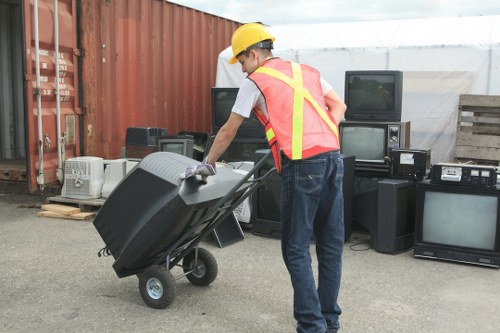
Some commercial loads are straightforward, while others need a more selective approach because the contents are heavier, more delicate or subject to different disposal expectations. We can support removal of certain specialist items where the service is appropriate, including appliances and other bulky waste that are awkward to handle within a busy premises. The important point is to match the load to the correct route from the outset, rather than treating every collection as though it were the same.
Specialist disposal is most useful where the item type matters as much as the quantity. A stack of old appliances, for example, is not the same as general rubbish, and mixed material from a storeroom may need sorting before collection. In practical terms, that means identifying what is present, what is still functioning, and whether there are components that should be kept apart from the rest. The clearer the load is at the start, the easier it is to manage responsibly.
If your job includes equipment, mixed fixtures or other sizeable items, it may help to read about fridge and appliance removal as part of the wider service picture. Not every collection needs a specialist route, but when it does, choosing the right method avoids unnecessary handling and reduces the chance of the job being delayed by incorrect preparation.
Waste handling for different commercial premises
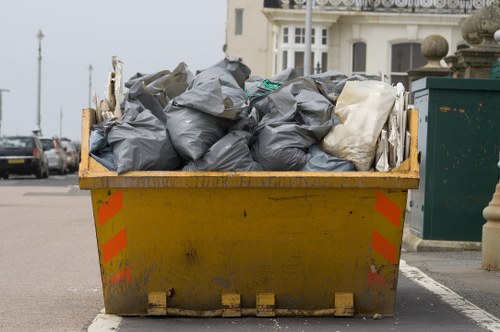
Commercial waste work is shaped by the premises themselves. A small office, a retail unit, a studio and a storage room may all generate similar kinds of material, but the way those items are presented for collection can be very different. We look at the practical details of the site as well as the contents, because good waste removal is about moving material efficiently without ignoring the conditions on the ground.
That means considering whether the waste is in a single area or spread across several rooms, whether it is easy to carry, and whether there are any items that need careful separating before removal. Where businesses produce recurring waste, a clear routine can make collections simpler over time. Where the need is occasional, a one-off visit may be enough to restore order and free up space that has been taken over by redundant material.
To keep the process manageable, it helps to note three things before requesting a quotation: what the waste is, how much there is, and how it can be accessed. If you are ready to arrange the next step, contact us to discuss the collection and request a quotation.
Pricing factors and quotation details
Quotation requests are usually easiest to assess when they reflect the actual job rather than a general idea of the job. For commercial waste, the main pricing influences are the type of material, the overall volume, the amount of labour needed to move it and the access arrangements at the premises. Collections that involve stairs, longer carrying distances or awkwardly placed items may take different planning from those where waste is already gathered in one place.
It is also helpful to be precise about any special conditions. That might include loading restrictions, parking constraints, a shared entrance, a narrow corridor or an area that should be kept clear while the waste is removed. If there are mixed materials, mention which items are definitely included and which are not. This avoids confusion and helps the quotation reflect the actual scope more closely. A sensible estimate is usually based on clear information rather than guesswork.
You can keep your enquiry simple and still useful. A short note with the type of waste, approximate amount and site access is enough to begin. If you want a broader overview of how collections are arranged, waste removal explains the general service area that supports larger clear-outs as well as smaller commercial loads.
About Brompton
Brompton is an area in west London that sits within the wider urban fabric of the Royal Borough of Kensington and Chelsea and the City of Westminster boundary area nearby, with Fulham Road, Old Brompton Road and Brompton Road helping to define how people move through it. The name is closely associated with the historic parish of Brompton, which was once a village on the edge of London before the city’s westward expansion absorbed it into a much denser built environment. That older identity still appears in street patterns, place names and local landmarks, even though the area now reads as part of central London’s continuous townscape. Brompton is also linked to several major institutions and destinations, including the Natural History Museum to the east, the Royal Brompton Hospital, and the galleries and museums that give South Kensington much of its character. The local streets contain a mix of late Georgian and Victorian terraces, mansion blocks, mews lanes and commercial frontages, showing the layered development that came with 19th-century growth. Nearby, the Brompton Cemetery, opened in 1840, provides a large landscaped green space and a reminder of the area’s Victorian civic history. The district’s position between Chelsea, Kensington and South Kensington has long made it a place of crossings and connections rather than a self-contained suburb, and that is reflected in the blend of residential squares, medical institutions, educational buildings and retail streets that still shape its everyday life.
How we approach larger clear-outs
Large commercial clear-outs are most efficient when the work is staged sensibly. Rather than treating every item as a separate task, we look at the load as a whole and decide what can be moved together, what needs care because of size or weight, and what may benefit from separating before removal. That makes the process more orderly and helps avoid unnecessary handling, especially where rooms contain a mix of old stock, furniture, packaging and general waste.
In practice, this means a larger job may be divided into smaller collection points within the same premises. It is often easier to clear a storage corner, then open up the next area, rather than trying to move everything at once. Where suitable, we can help with clear-outs that involve several categories of waste, provided the materials are appropriate for the service and the access arrangements are workable. The aim is always to leave the premises in a better state of use than before.
If you are planning a bigger project, keep the enquiry practical and direct. List the main categories of waste, note anything unusually bulky and say whether the items are already grouped. Then ask for a quotation in plain terms. Book online if you want to send the details through and move the process along.
Recycling, sorting and responsible disposal choices
Responsible commercial waste handling starts with separating what can reasonably be recovered from what must go to disposal. Different materials behave differently in collection, so mixed business waste is not always the best way to approach a load. Where sorting is practical, it can support better processing and help avoid useful material being hidden inside a general pile. That is one reason why clear descriptions of the contents matter at the quotation stage.
Businesses often hold a mixture of paper, packaging, fittings, furniture and redundant equipment, and each of these may need a slightly different approach. In a well-managed collection, the aim is to make sensible decisions about the waste rather than forcing everything into a single category. That does not mean every job has to be sorted in advance by the customer, but it does mean we can work more effectively when the contents are identified as accurately as possible before the visit.
For further detail on environmental handling and material recovery, recycling and sustainability explains the wider principles behind the service. It is useful reading if you want to understand how different commercial loads can be dealt with in a more considered way, especially when several types of waste are involved in one clearance.
Planning a straightforward quotation
A useful quotation begins with practical information. You do not need to produce a long specification, but it does help to say what kind of business waste you have, whether it is mixed or sorted, and whether anything especially heavy, fragile or awkward is included. If the clearance covers several rooms or a larger floor area, note that as well, because the scale of the job matters as much as the type of material.
When access is simple, the collection can usually be planned more easily. When access is more limited, the details become even more important. Stairways, narrow paths, service entrances and shared communal areas can all affect how waste is removed. Clear information at the start helps avoid confusion later, and it gives you a quotation that is better matched to the job you actually need done. If you have only a rough outline, that is still a useful starting point.
For a direct next step, use the details you already have and ask for a quotation today. If you prefer to read more about the service first, about us gives a general overview of the business behind the collection work, while the service pages set out the different kinds of removal available.