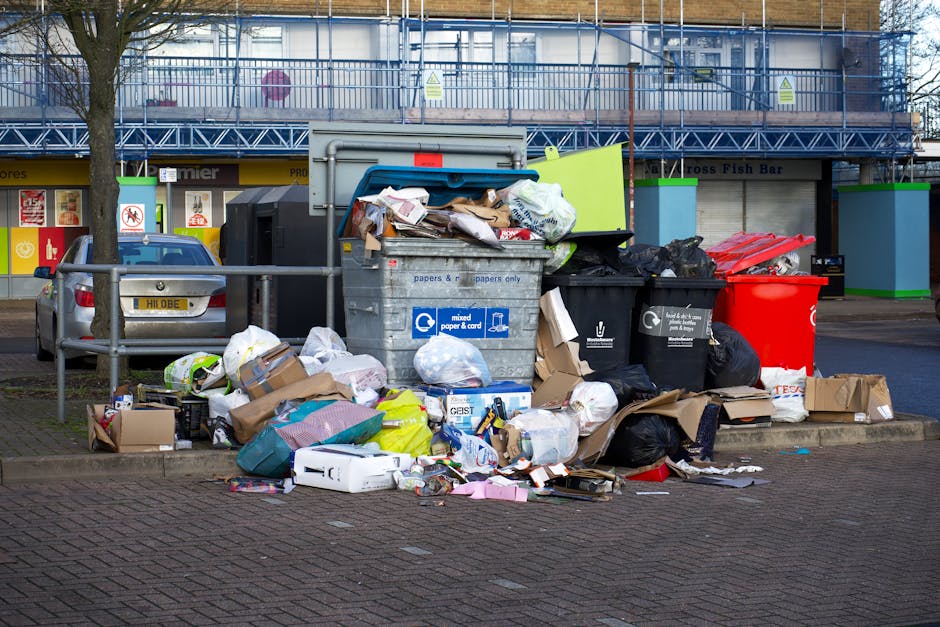
How Brompton shops cut costs with commercial rubbish removal
Running a shop in Brompton means watching costs from every angle: stock, rent, staffing, deliveries, packaging, and the steady stream of waste that builds up behind the scenes. Old cardboard, broken fittings, damaged stock, display stands, packaging film, and one-off clearance jobs all take time and money. That is where How Brompton shops cut costs with commercial rubbish removal becomes more than a tidy-up task; it turns into a practical business decision.
Done well, commercial rubbish removal can reduce labour hours, avoid overfilled bins, improve back-of-house space, and make waste handling a lot less disruptive. Done badly, it becomes a hidden drain on profit. In this guide, we'll look at how Brompton shops can approach it sensibly, where the real savings come from, and what to watch out for if you want a cleaner, leaner operation without the faff.
Table of Contents
- Why How Brompton shops cut costs with commercial rubbish removal Matters
- How How Brompton shops cut costs with commercial rubbish removal Works
- Key Benefits and Practical Advantages
- Who This Is For and When It Makes Sense
- Step-by-Step Guidance
- Expert Tips for Better Results
- Common Mistakes to Avoid
- Tools, Resources and Recommendations
- Law, Compliance, Standards, or Best Practice
- Options, Methods, or Comparison Table
- Case Study or Real-World Example
- Practical Checklist
- Conclusion
- Frequently Asked Questions
Why How Brompton shops cut costs with commercial rubbish removal Matters
For a shop, waste is rarely just waste. It is space, time, labour, and risk. A pile of flattened boxes blocking access to the stockroom can slow staff down. A broken fridge or display fixture can sit around for days if nobody has a simple removal plan. Even the act of moving rubbish into a rear yard or shared loading area can eat into opening hours. That is why commercial rubbish removal matters: it clears problems before they start costing money in more than one place.
In busy Brompton retail settings, the pressure is often on small teams. Someone is already serving customers, another person is restocking, and then a mini mountain of packaging appears after a delivery. If staff are pulled off the shop floor to break down waste, bag it, move it, or wait for a collection that never seems to arrive, productivity slips. Truth be told, the cost is not always visible on an invoice. It shows up as slower trading, clumsy workflows, and tired staff.
There is also the space issue. Brompton shops, especially smaller independents, often have limited storage or back-of-house room. Waste builds up quickly in compact premises, and once it starts occupying usable space, it affects stock handling and even customer experience. A cleaner, clearer premises tends to feel sharper. You notice it straight away when the back area is not crowded with old packaging and unusable items.
For businesses that also need other clearance support, it can help to look at broader services such as business waste removal or general waste removal as part of a wider housekeeping plan. That way, waste is not handled as a last-minute problem, but as part of the operating rhythm.
How How Brompton shops cut costs with commercial rubbish removal Works
The basic idea is simple: instead of letting waste accumulate until it causes disruption, a shop arranges a removal process that matches how the business actually operates. That may mean scheduled collections, ad hoc clearances after a refurbishment, or one-off removal of bulky commercial items. The cost saving comes from reducing wasted labour, preventing unnecessary storage, and avoiding emergency disposal decisions.
Commercial rubbish removal usually works best when the shop separates waste into clear groups. Cardboard and packaging are handled differently from bulky fixtures, confidential paperwork, electrical items, or potentially hazardous materials. This is where the process becomes efficient. The cleaner the sorting, the faster the collection, and the less time staff spend managing a mixed pile of everything-and-the-kitchen-sink rubbish.
For example, a Brompton clothing boutique might have large volumes of packaging from deliveries, tag waste, damaged hangers, and old shelf units after a seasonal reset. A cafe-style shop might generate food packaging, broken furniture, and appliance waste. A beauty retailer may also need confidential disposal or specialist handling for electrical and potentially sensitive stockroom items. The removal method should fit the waste stream, not the other way around.
There is no magic trick here. It is mostly about making fewer mistakes, collecting waste before it spreads, and using the right removal option for the job. Simple, but effective.
What the savings actually come from
- Less staff time spent on waste handling rather than sales or customer support.
- Fewer storage problems caused by stockrooms filling up with old items.
- Reduced risk of accidents from cluttered access routes or heavy lifting.
- Better planning, so collections happen at sensible times instead of in a panic.
- Improved recycling rates where recyclable material is separated cleanly.
For bulky items such as worn chairs, tables, or display units, a dedicated clearance route can be especially useful. If your shop is replacing furniture, you may also want to look at furniture disposal or furniture clearance so those items do not linger around for weeks. Anyone who has tried to squeeze a broken counter through a narrow back corridor knows the story. Not fun.
Key Benefits and Practical Advantages
Cost-cutting sounds straightforward, but the best benefits are often operational rather than purely financial. In practice, commercial rubbish removal helps Brompton shops run with less friction. That is usually where the real value sits.
1. Lower hidden labour costs
If staff are spending 20 minutes here and 30 minutes there dragging waste to the back yard, that time adds up. It is not just the obvious labour time either. It is the interruption. A quick job turns into a broken workflow, and sometimes you do not notice until the end of the week. Dedicated rubbish removal helps restore those minutes to actual business activity.
2. Better use of tight space
Shop space in Brompton is too valuable to be used as a waste store. Clearing waste quickly keeps stockrooms functional and helps maintain safe walkways. That matters in small premises where a single pallet, box stack, or old appliance can change how the whole room works.
3. Fewer emergency callouts
When waste piles up, businesses often end up needing a rushed fix. And rushed usually means expensive. A routine removal plan is more predictable. It gives the business a clearer view of timing and cost, which is a welcome change when margins are already tight.
4. Cleaner presentation behind the scenes
This one is easy to underestimate. A tidy back area supports a tidier front of house. Staff feel more organised, new starters get up to speed faster, and managers can spot problems sooner. It is a bit like walking into a kitchen with no dishes in the sink; you can breathe easier.
5. Better recycling and sustainability outcomes
When waste is sorted well, more of it can be recycled or handled appropriately. For businesses that want to reduce their environmental footprint without turning it into a grand campaign, this is a practical place to start. If sustainability is part of your brand message, see also recycling and sustainability for a broader view.
Who This Is For and When It Makes Sense
Commercial rubbish removal is not only for big stores or obvious refurbishments. In Brompton, it can make sense for small independents, chain branches, pop-ups, concession stands, and hospitality-led retail spaces. If your business creates bulky, frequent, or mixed waste, there is probably a smarter way to handle it.
It especially suits shops that deal with:
- regular packaging waste from deliveries
- damaged or out-of-date stock
- display changes and seasonal resets
- old fixtures, fittings, and shelving
- appliance or equipment disposal
- stockroom clear-outs
- end-of-lease tidy-ups
It also makes sense when your existing waste setup is starting to creak. Maybe bins overflow before collection day. Maybe staff are making too many trips to move rubbish. Maybe a back room has become a weird little forest of cardboard towers. If that sounds familiar, you are not alone.
For retail premises with worn-out chairs, counters, or customer seating, a specific service can help. The right route depends on the items and condition, but options such as mattress and sofa disposal are useful to know about when soft furnishings need clearing from a commercial space. If the shop has fridges, freezers, or small appliances on site, fridge and appliance removal may be the better fit.
Step-by-Step Guidance
If you want commercial rubbish removal to cut costs rather than create admin, it helps to be organised from the start. Here is a practical way to approach it.
- Identify the waste streams. Write down what your shop throws away most often. Cardboard, plastics, damaged stock, old shelving, packaging, appliances, or confidential materials all need different handling.
- Estimate volume honestly. A small pile in the corner can be deceptive. Look at how much waste you produce in a normal week, then check what happens after deliveries, promotions, or refurbishments.
- Separate recyclable from non-recyclable material. This reduces handling time and can improve cost efficiency. A mixed load is usually less convenient than a cleaner, sorted load.
- Choose the right removal frequency. Daily, weekly, fortnightly, or one-off? The answer depends on your business rhythm. A busy Saturday can generate more mess than three quiet weekdays.
- Plan around trading hours. Collections that avoid peak customer times are far easier to manage. Less disruption means less hidden cost. Simple as that.
- Prepare access in advance. Make sure staff know where waste is stored, how it is presented, and whether anything needs lifting or dismantling before collection.
- Review the result. After a collection, ask whether the process actually saved time and space. If not, adjust. Sometimes the first setup is slightly off, and that is fine.
One useful habit is to keep a small note in the stockroom with waste types and collection timing. Nothing fancy. Just enough to stop waste decisions becoming guesswork on a busy Friday afternoon.
Expert Tips for Better Results
The biggest savings usually come from consistency, not one big dramatic action. A few small habits can make commercial rubbish removal much more cost-effective.
Keep a waste map of the premises
Know where waste starts, where it is held, and where it leaves the building. In compact Brompton shops, the route matters. If staff have to dodge stock or customers every time they move rubbish, the process is too clunky.
Standardise what staff do with common waste
If every team member handles cardboard differently, collections get messy. Create a simple routine: flatten, stack, bag, separate, label. It sounds mundane. It works.
Use business waste removal before clutter becomes bulk
Waiting until the waste is enormous often makes the task slower and more expensive. Smaller, regular clearances are usually easier to manage and less disruptive to trade. For many shops, the difference is noticeable within a couple of weeks.
Check whether certain items need special handling
Items like old appliances, confidential documents, or potentially hazardous waste should not be dumped into a general pile. If you need secure destruction for paperwork, consider confidential shredding. If the waste is more sensitive or regulated, hazardous waste disposal is the safer route.
Keep safety in the picture
Cost-cutting should never mean blocking exits or piling items where staff might trip. A smart removal plan saves money partly because it reduces accidents and disruption. That is not dramatic, just practical. Nobody wants a rushed lift job on a wet morning with boxes everywhere.
Common Mistakes to Avoid
A lot of waste costs creep up because businesses fall into the same few traps. The good news? They are avoidable.
- Mixing everything together. Once waste is mixed, sorting becomes slower and often more expensive.
- Leaving collections too late. A full stockroom is not just untidy; it slows work and can create safety issues.
- Assuming all bulky items are the same. They are not. Furniture, appliances, and mixed commercial waste may need different handling.
- Using staff time for tasks that should be outsourced. Your team should be serving customers, not wrestling with old fixtures for an hour.
- Forgetting access and timing. A collection that clashes with delivery day or peak footfall can create avoidable chaos.
- Skipping compliance checks. Cheap can become expensive if waste is handled badly.
There is also a temptation to treat commercial waste as a background issue. It is not. If you ignore it, it grows teeth. Maybe that sounds dramatic, but you know what I mean.
Tools, Resources and Recommendations
You do not need a complicated system to manage shop waste well. In fact, simple is often better. The aim is to make decisions quicker and reduce the amount of waste-related admin your team deals with.
Useful operational tools
- Waste log to track what is thrown away and how often.
- Labelled bins or containers for cardboard, mixed waste, and special items.
- Photo record of bulky items before collection, useful for planning.
- Simple collection calendar so staff know what happens when.
- Back-of-house checklist for closing time or end-of-week clear-downs.
Helpful service pages to review
If your shop is undertaking a broader tidy-up or renovation, these pages may be useful depending on what you are clearing: builders waste clearance for fit-out debris, office clearance for workspaces attached to retail premises, and what can go in a skip if you are comparing disposal methods.
If you are comparing providers, pricing and quotes is a sensible place to start, because cost only makes sense in context. A cheaper collection is not always better if it causes delays or forces staff to do the hard work beforehand. That's the bit people forget.
Law, Compliance, Standards, or Best Practice
Commercial waste in the UK has to be handled carefully, and Brompton businesses should be mindful of their duties when arranging removal. The exact requirements depend on the waste type, but best practice is always the same: use a lawful, traceable, and sensible disposal route.
For shops, that means being careful with mixed waste, recyclable material, electrical items, and anything that could be classed as hazardous or confidential. Records should be clear enough that you can explain what was removed, when, and how. If you hand waste to a contractor, you want confidence that it is being managed properly. That is basic business hygiene, really.
Health and safety matters too. Waste should not block exits, create unstable stacks, or interfere with staff movement. If items need carrying, loading, or dismantling, the process should account for manual handling risks and access limitations. For a lot of premises, the right approach is as much about prevention as removal.
It is also wise to check a provider's procedures around insurance, safety, and payment handling. Pages such as health and safety policy, insurance and safety, and payment and security can help reassure you that the business is thinking about the practical side, not just the pick-up itself.
Expert summary: The cheapest waste solution is rarely the one with the lowest headline price. It is the one that keeps your shop running smoothly, avoids unnecessary staff time, and handles waste correctly the first time.
Options, Methods, or Comparison Table
There is no single right answer for every Brompton shop. The best method depends on waste type, frequency, access, and how much disruption you can tolerate. Here is a simple comparison.
| Method | Best for | Pros | Trade-offs |
|---|---|---|---|
| Routine commercial rubbish removal | Regular waste such as packaging, mixed rubbish, and smaller recurring clearances | Predictable, tidy, reduces staff time | Needs planning and a stable routine |
| One-off clearance | Refits, deep cleans, stock changes, end-of-lease clear-outs | Fast reset, clears bulky build-up | Less suitable for ongoing waste streams |
| Skip-based disposal | Projects with consistent volumes and space for a skip | Useful for larger waste quantities | Needs access, space, and correct loading |
| Specialist item removal | Appliances, furniture, confidential items, or sensitive waste | Safer handling of specific materials | May require separate scheduling |
For some businesses, the smartest answer is actually a mix. A shop might use regular business waste removal for day-to-day material and call in a one-off clearance after a seasonal overhaul. That combination often gives the best balance of control and cost. It is not glamorous, but it works.
Case Study or Real-World Example
Imagine a small Brompton fashion shop heading into a spring refresh. Over a few weeks, the back room fills with cardboard, damaged packaging, broken hangers, old mirrors, display props, and a few worn fixtures that no longer fit the new layout. Staff start shifting items to corners, then to the rear corridor, then into the one bit of space they really needed for incoming stock. You can see the problem before it becomes a crisis.
The owner decides to stop patching things and arranges a commercial rubbish removal visit. First, they separate the cardboard and recyclable packaging. Then the old shelving and display pieces are grouped together. A damaged chair and a small appliance are set aside for the correct disposal route. One of the team spends a little time preparing access, but not hours. Not a whole afternoon, anyway.
What changes? The stockroom opens up. Staff stop wasting time moving rubbish around every day. Deliveries are easier to receive. The shop floor feels calmer because the back-of-house pressure has eased. There is no heroic moment here, just a useful, practical one. And that is usually how savings happen in real life: not with one giant saving, but with a series of small efficiency wins.
If the business later renovates a rear office or storage area, the owner can build on that process using house clearance-style thinking for internal space, while keeping commercial waste and clearance needs properly separated. The label matters less than the discipline behind it.
Practical Checklist
Use this checklist before your next waste collection or clearance. It keeps things moving and helps avoid those annoying little delays that eat up time.
- Identify the main waste types in the shop.
- Separate cardboard, general waste, bulky items, and specialist items.
- Check what needs dismantling before collection.
- Make sure access routes are clear and safe.
- Choose a collection time that avoids busy trading periods.
- Confirm whether any items need specialist handling.
- Review how much staff time waste handling is currently taking.
- Keep a simple record of collections and recurring waste issues.
- Ask whether the current process is actually saving money.
- Update the routine if waste volumes change seasonally.
If you do only one thing from this article, make it this: measure the waste problem before it grows. That one habit can save a surprising amount of time.
Conclusion
Brompton shops cut costs with commercial rubbish removal by treating waste as an operational issue, not an afterthought. The gains are practical: less staff time spent shifting rubbish, better use of space, safer premises, fewer emergencies, and a cleaner route to recycling or specialist disposal. None of that sounds flashy, but it matters every day.
The key is to match the service to the actual business need. A small shop with steady packaging waste may need a simple recurring approach. A retailer refreshing displays or clearing bulky items may need a one-off clearance. A shop with appliances, confidential papers, or hazardous material should choose a more specific route. Get the mix right and the savings tend to follow naturally.
There is a lot of comfort in that, actually. A tidier shop is often a calmer shop, and a calmer shop tends to work better. That's the long and short of it.
Get a free quote today and see how much you can save.
Frequently Asked Questions
How do Brompton shops save money with commercial rubbish removal?
They save money by reducing staff time spent handling waste, preventing clutter from taking up usable space, and avoiding last-minute disposal problems. A planned removal setup usually works out better than ad hoc sorting and emergency clear-outs.
Is commercial rubbish removal better than using regular bins only?
Often, yes. Regular bins are fine for everyday waste, but they can become inefficient when you deal with bulky items, seasonal stock changes, or frequent packaging. Commercial rubbish removal gives more control when waste starts affecting operations.
What kinds of shop waste can be removed?
Common examples include cardboard, packaging, broken fixtures, old shelving, damaged stock, furniture, appliances, and stockroom clutter. Some items may need specialist handling, especially if they are electrical, confidential, or potentially hazardous.
How often should a shop arrange rubbish removal?
It depends on trading volume and waste type. Busy shops may benefit from regular collections, while others only need occasional clearances after deliveries, resets, or refits. The right frequency is the one that keeps waste under control without causing wasteful spending.
Can rubbish removal help if the stockroom is too full?
Absolutely. In fact, stockroom overcrowding is one of the clearest signs that a better waste process is needed. Clearing out unused packaging, broken items, and old fixtures can free up space and make the whole premises easier to work in.
What is the difference between waste removal and furniture clearance?
Waste removal is broader and covers general commercial rubbish. Furniture clearance is more specific and deals with items like chairs, desks, counters, and other bulky furnishings. If you are removing a mix, the right service depends on what makes up most of the load.
Do Brompton shops need to sort waste before collection?
Yes, sorting is usually beneficial. It makes collections quicker, supports recycling, and helps avoid messy mixed loads. It also means staff spend less time managing waste on the day of the collection.
How can rubbish removal improve shop safety?
By reducing trip hazards, keeping exits clear, and preventing unstable piles of boxes or furniture from building up. A tidy back-of-house area is simply safer and easier to navigate, especially during busy periods.
What should a shop do with appliances or old fridges?
Appliances and fridges should be handled separately rather than put into general rubbish. A dedicated route such as fridge and appliance removal is usually the sensible option, because these items can be awkward and may need special handling.
Can commercial rubbish removal support sustainability goals?
Yes. When waste is separated well, more materials can be recycled and less ends up in the wrong stream. For shops trying to improve environmental performance in a practical way, waste handling is a good place to start.
What mistakes make rubbish removal more expensive?
The biggest mistakes are leaving waste to build up, mixing different waste types together, ignoring access issues, and using staff time for jobs that should be cleared more efficiently. A bit of planning usually beats a messy rush every time.
How do I know which waste service is right for my shop?
Look at the waste type, the volume, and how often it appears. If you have regular commercial waste, a routine service may suit you. If you are clearing bulky items or doing a reset, a one-off clearance may be better. When in doubt, start with a clear list of what needs removing and build from there.